


What Is the Lowest Sugar Wine? A Complete Guide for Healthy Wine Lovers

SYLTBAR lovers are those who enjoy drinking wine, but care about what’s actually in their glass. If this is how you feel, you are not alone. More and more wine drinkers are paying attention to nutrition stats, especially sugar content, and how wine can fit into a balanced lifestyle. Which leads us to one of the most searched-for questions in the wellness wine world: what is the lowest sugar wine?
From understanding the difference between residual sugar and added sugar to decoding the meaning behind Brut vs Extra Dry, and where Prosecco fits into the picture, this guide will help you sip smarter without sacrificing flavor.
What Does “Low Sugar Wine” Actually Mean?
The sugar in wine comes from grapes. During fermentation, yeast converts the sugar from grapes into alcohol, and any sugar left behind after fermentation is called residual sugar. In other words, residual sugar is the natural sugars left over from the grapes.
Wines that are described as dry have very little residual sugar, while sweeter wines stop fermentation earlier to purposely leave more residual sugar behind.
Low sugar wine is typically defined as having 0–6 grams of residual sugar per liter, though the lower end of that range is ideal if you’re truly looking to minimize sugar intake.
While many wine labels don’t list sugar content, knowing typical ranges helps you choose wisely.
General guidelines:
- Bone dry wines: 0–2 g/L residual sugar
- Dry wines: 2–6 g/L
- Off-dry wines: 6–12 g/L
- Sweet wines: 12+ g/L
For healthy wine lovers, sticking to wines under 2 grams per liter is the gold standard.
To note, residual sugar is not the same thing as added sugar, which is typically added after fermentation to enhance the taste, balance acidity, or create a sweeter flavor. It can drastically increase the numbers you see above, and is essentially altering the pure state of the wine.

Sparkling Wine Sugar Levels: Brut vs Extra Dry
This is where many people get tripped up. The descriptive names for sparkling wines are confusing. Despite the way it sounds, a sparkling one labeled Extra Dry is actually sweeter than one labeled Brut.
Here’s the breakdown:
- Brut: 0–12 g/L residual sugar (many quality Bruts fall closer to 0–2 g/L)
- Extra Dry: 12–17 g/L residual sugar
If you’re shopping for the lowest sugar wine, Brut is always the better choice over Extra Dry. A lot of the Prosecco on the market is labeled Extra Dry, which means it contains more residual sugar than people expect. However, Brut Prosecco is much drier and significantly lower in sugar.
When choosing Prosecco, here are three main tips to follow:
- Look for Brut Prosecco
- Avoid Extra Dry if sugar is a concern
- Check for transparency from the producer
What Types of Wine Are Lowest in Sugar?
If your goal is the lowest sugar wine possible, these styles are consistently at the top of the list:
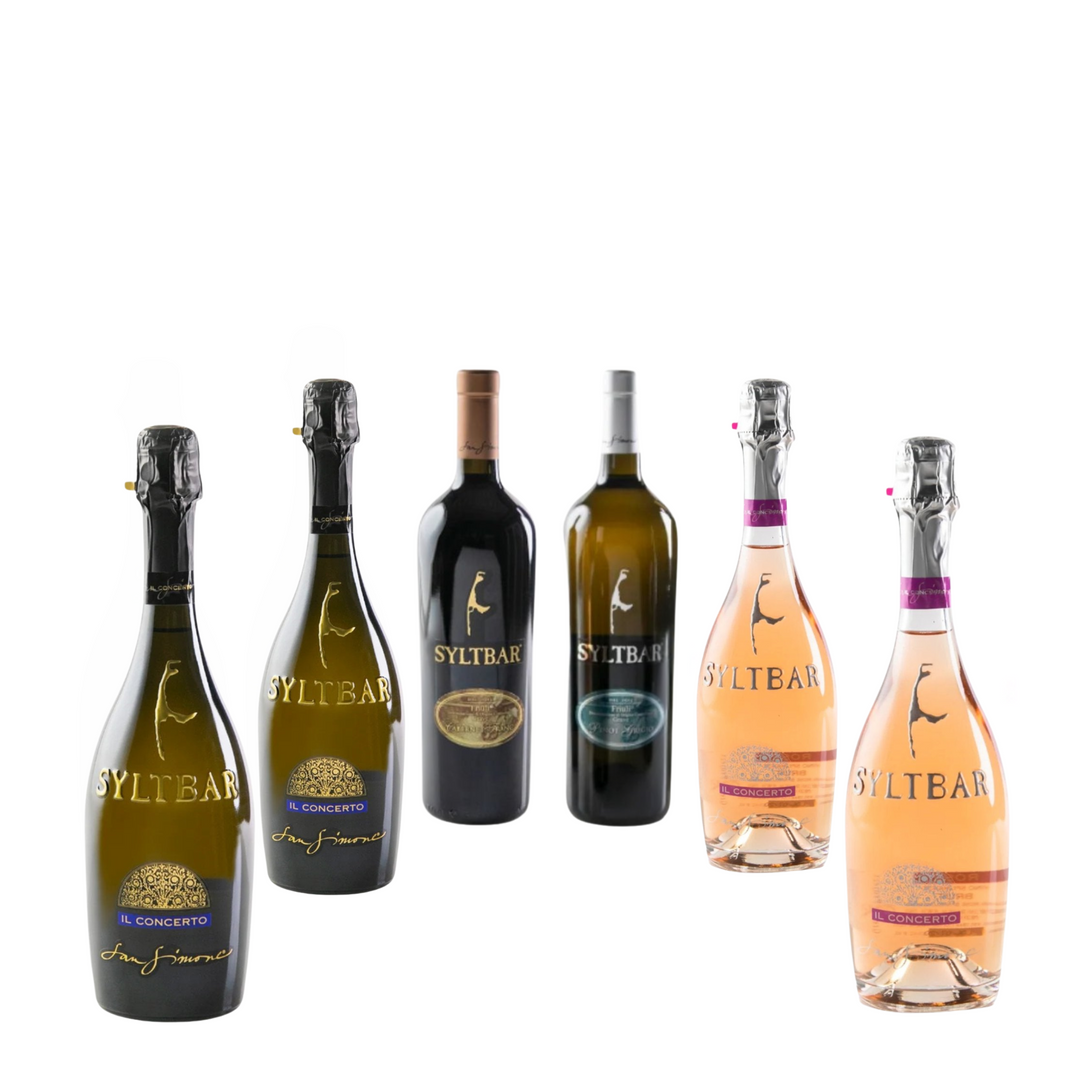
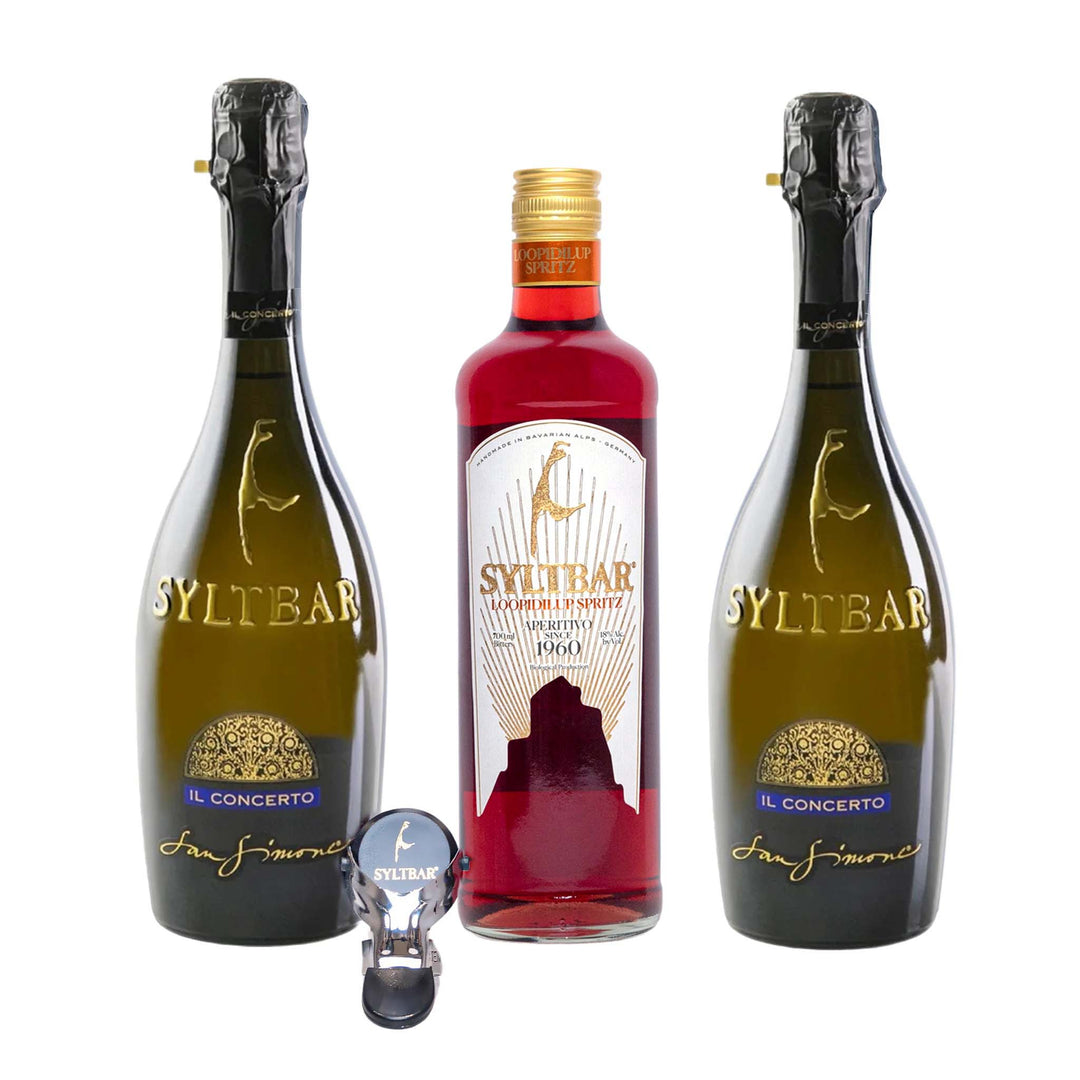
- Brut sparkling wines (Try SYLTBAR Mr Brut Premium Prosecco or Mrs Sparkling Rose)
- Dry Champagne
- Dry rosé
- Sauvignon Blanc (Try SYLTBAR Silk Friulano)
- Pinot Grigio (Try SYLTBAR White Linen Pinot Grigio)
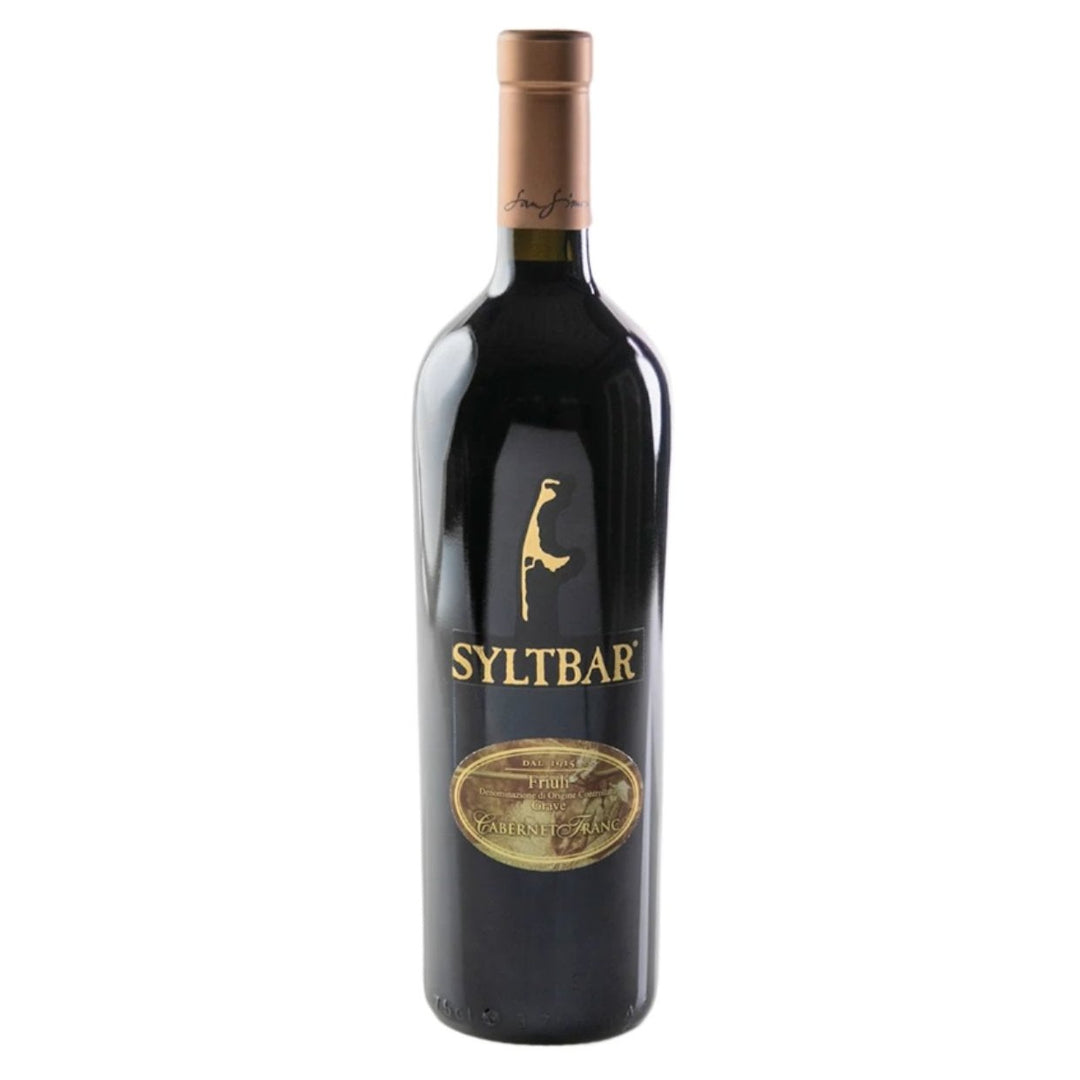
- Dry red wines like Pinot Noir (Try SYLTBAR Cashmere Cabernet Franc)
The key isn’t just the grape, but how fully the wine is fermented. SYLTBAR wines go through a four-month fermentation process, allowing the grapes to fully develop and leave behind very little residual sugar. Just as well, our producers never add any sugar or sweeteners to the juice, keeping the sugar content as low as possible.
SYLTBAR: A Transparent Low Sugar Wine Option
One of the challenges with finding low sugar wine is that most brands don’t disclose sugar content at all. That’s where SYLTBAR stands out.
 At SYLTBAR, transparency is at the core of our company principals. Mr comes in at only .3 grams of sugar in each 6 ounce glass, while Mrs is only .45 grams, making SYLTBAR the optimal choice when selecting a sparkling low sugar wine.
SYLTBAR wines are crafted to be ultra-clean, naturally low in residual sugar, and transparently labeled, making them an easy choice for health-conscious wine lovers.
SYLTBAR’s focus on organic grapes, minimal intervention, and no unnecessary additives means you’re getting a wine that aligns with a mindful lifestyle without compromising taste.
The Bottom Line
When labels don’t tell the full story, use these tips:
- Choose Brut over Extra Dry
- Always avoid wines labeled sweet, demi-sec, or doux
- Look for brands that disclose residual sugar
- Select wines from cooler climates, which tend to ferment more fully
The lowest sugar wine is one that is fully fermented, dry, and transparent about what’s inside the bottle. Understanding residual sugar, knowing the difference between Brut vs Extra Dry, and choosing trusted brands like SYLTBAR makes all the difference.
Low sugar doesn’t mean low enjoyment. With the right wine, you can have both.
Explore SYLTBAR’s low sugar Brut Prosecco, Sparkling Rose and fine wines, and taste how clean, dry, and refreshing wine can be when nothing extra is added.
Drink better. Sip consciously. Choose your Happy Healthy Daily Juice, SYLTBAR.

 Back to Wine


Featured product

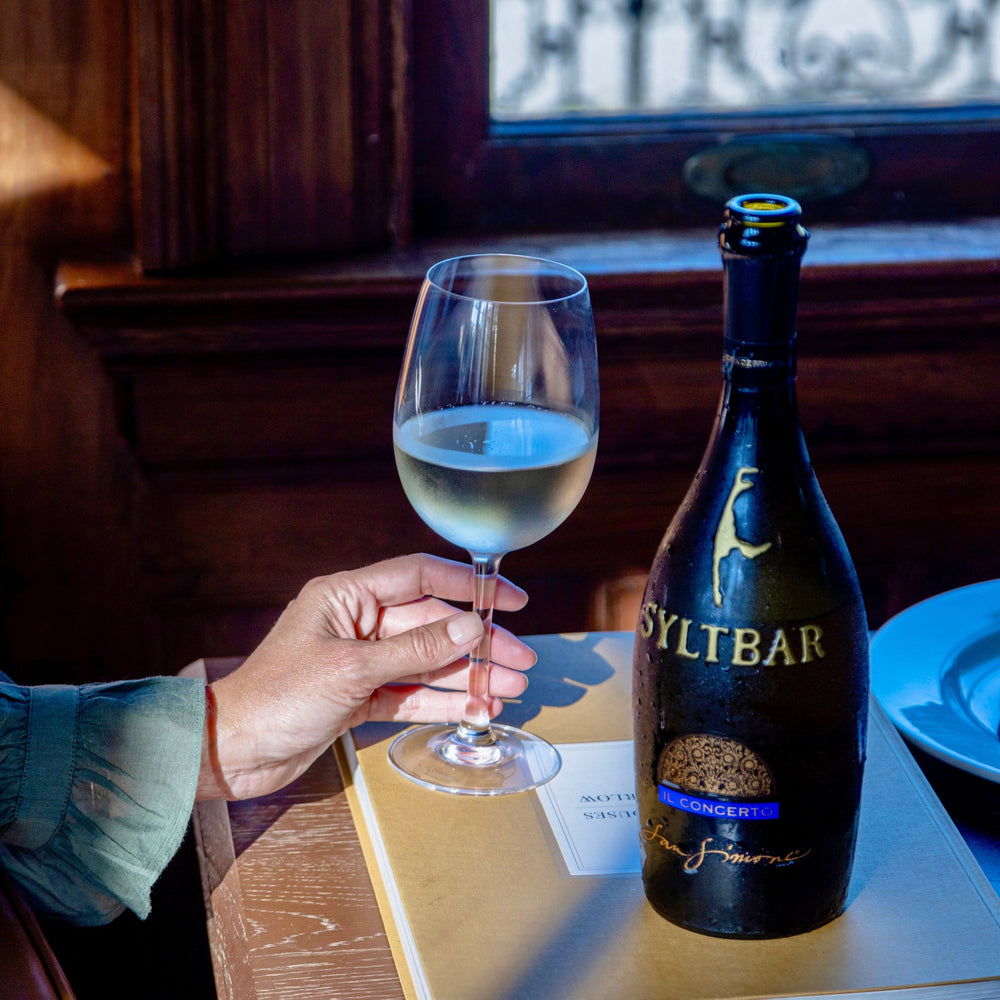
Featured product

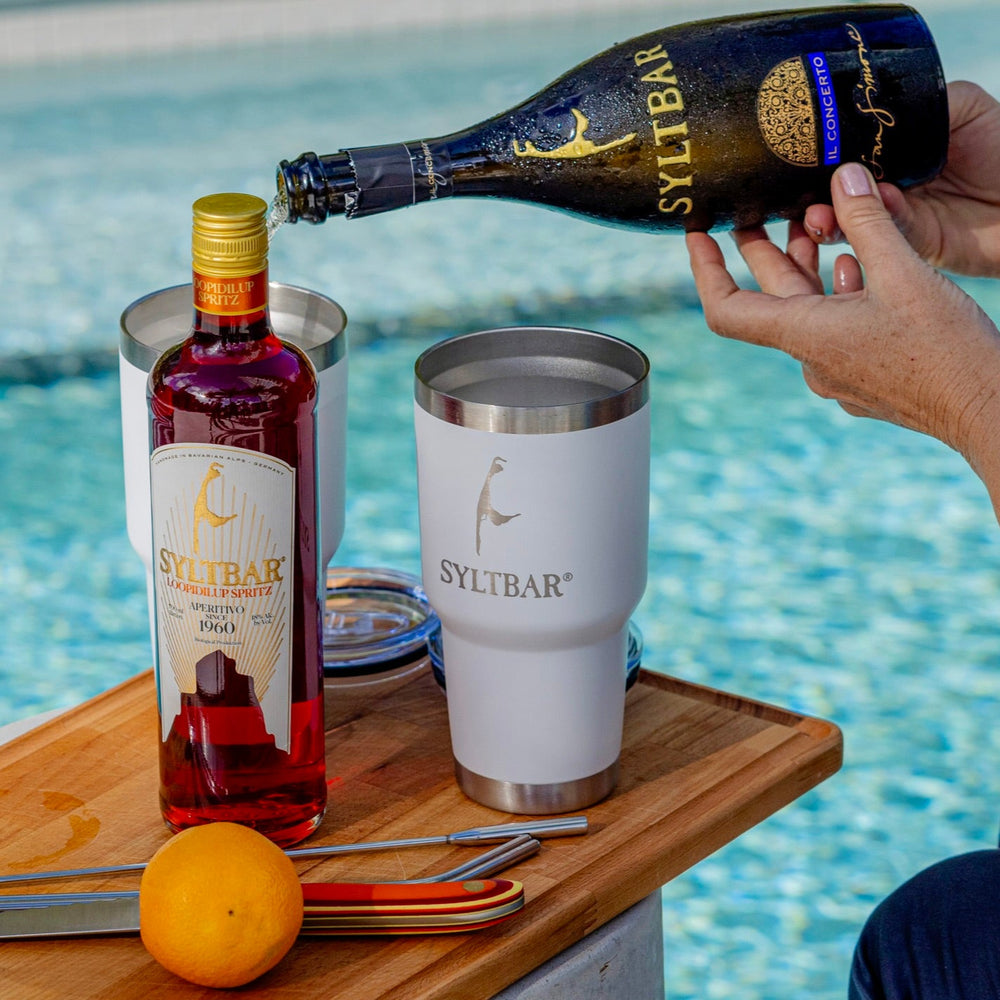
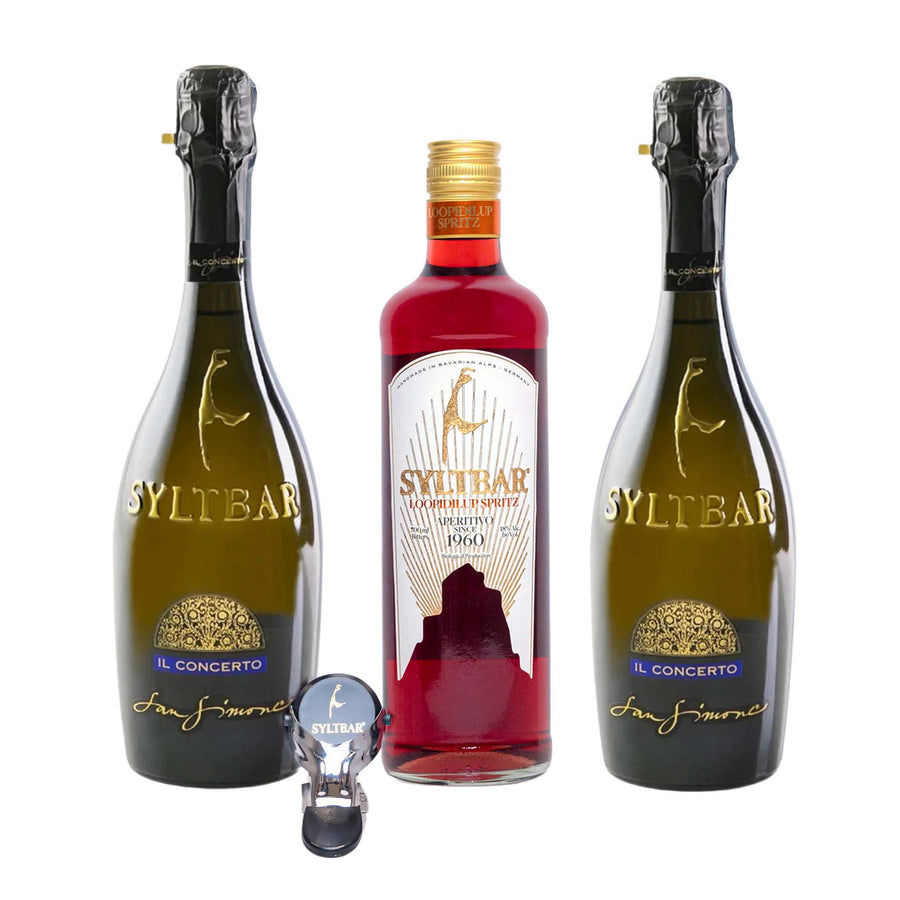
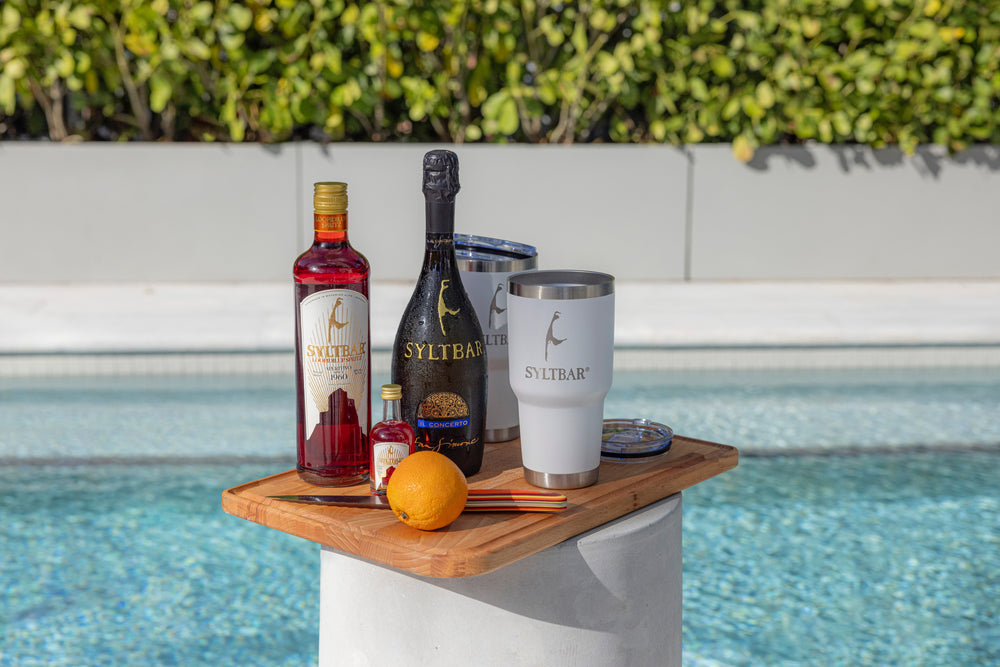
It is time for SYLTBAR order now!



or text CONNECT to 1-833 461-3379
MIGHT TAKE UP TO A MINUTE TO RECEIVE CODE TEXT! By texting CONNECT to us, you consent to receive marketing text messages through an automatic telephone dialing system at the number provided. Consent is not a condition to purchase. Text STOP to unsubscribe or HELP for help. Msg and data rates may apply. Read our privacy policy

